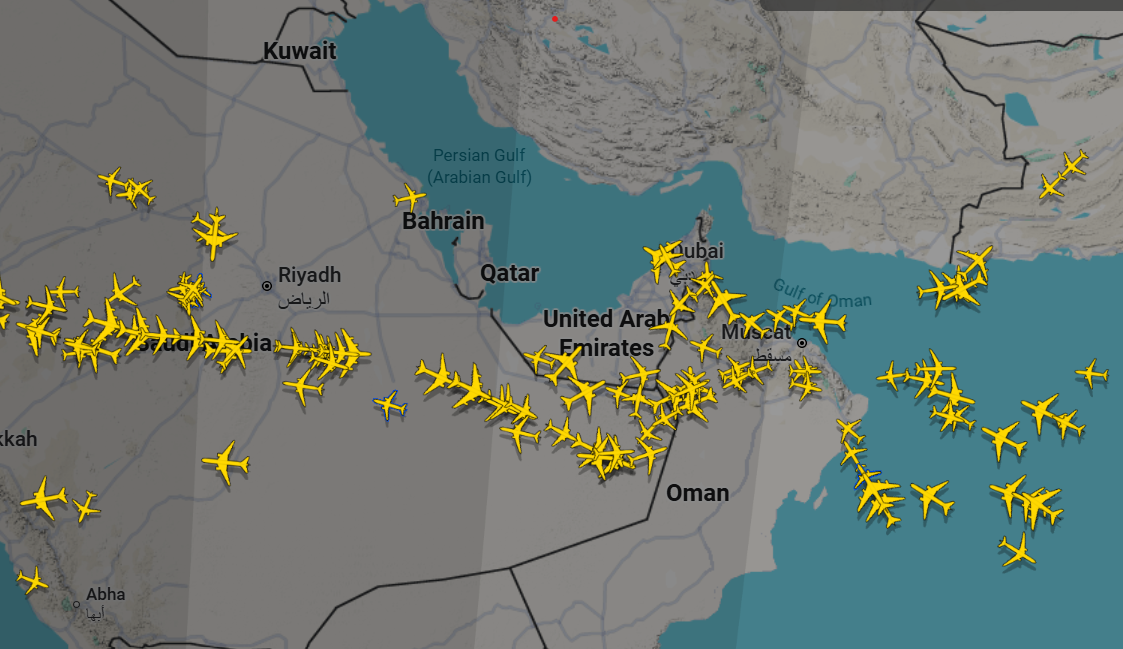

Airlines across Europe, Asia, and the Middle East have begun diverting and cancelling flights after military strikes involving Iran triggered rapid airspace closures across the region.
Aircraft already airborne were forced to reroute mid-flight, while departures were delayed or cancelled as aviation authorities issued urgent warnings to avoid affected airspace.
Why is this airspace so significant?
Iran sits directly between the Europe and Asia corridors and forms one of the busiest airspaces in the world. Flights from Europe to India, Southeast Asia, and parts of Australia routinely cross Iranian and Middle East airspace because it provides the shortest and most fuel-efficient routing.
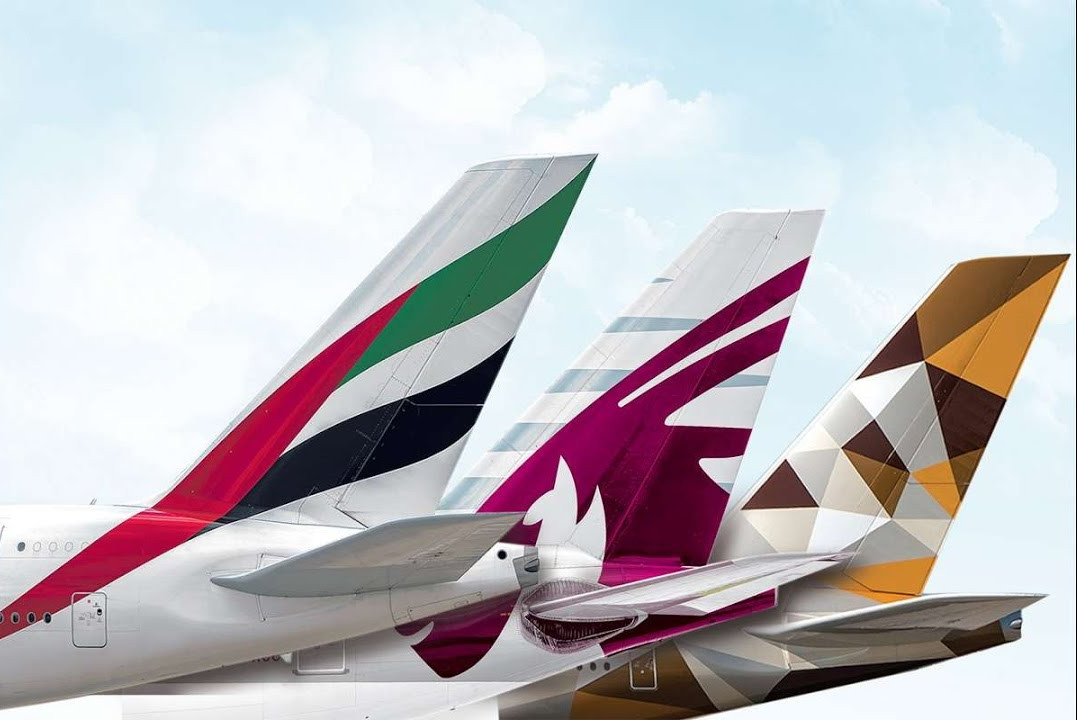
Qatar has completely closed its airspace for all airlines, forcing Qatar Airways to suspend all operations at its Doha hub. The airline is working closely with government officials and relevant authorities to support impacted passengers and will resume operations when the airspace re-opens.
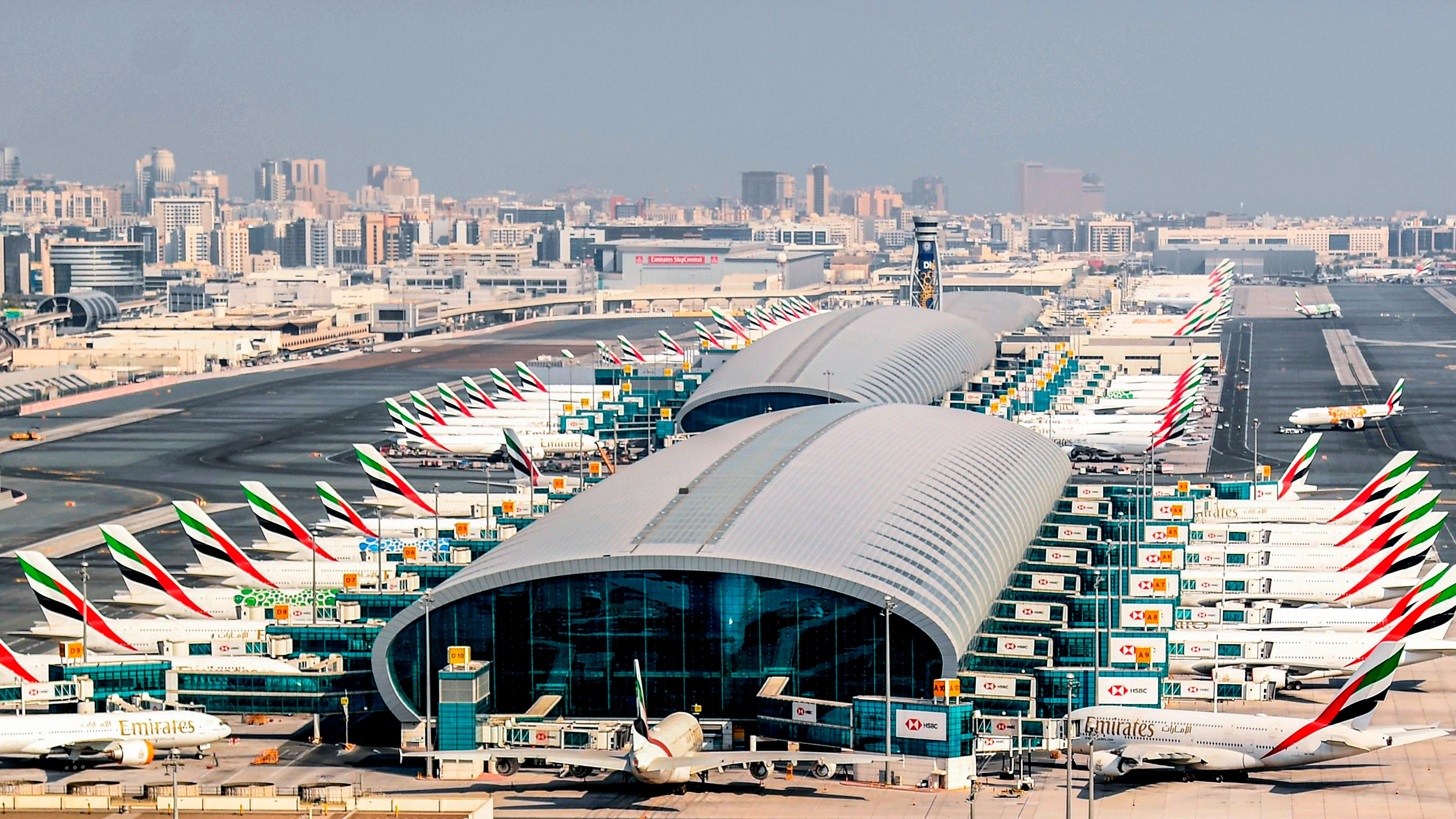
The United Arab Emirates has also closed its airspace to ensure the safety of flights and aircrews, and to protect the UAE’s territory. Emirates, based in Dubai, has said it is monitoring the situation, engaging with relevant authorities, and adjusting operations in line with the latest developments.
Airspace restrictions are communicated through aviation safety alerts known as NOTAMs (Notice To Airmen). These are urgent operational messages sent to airlines and pilots warning of hazards such as military activity, navigation interference, missile launches, or closed airspace. When conflict begins, NOTAMs can be issued within minutes, requiring aircraft to avoid the affected area immediately.
Major international airlines affected
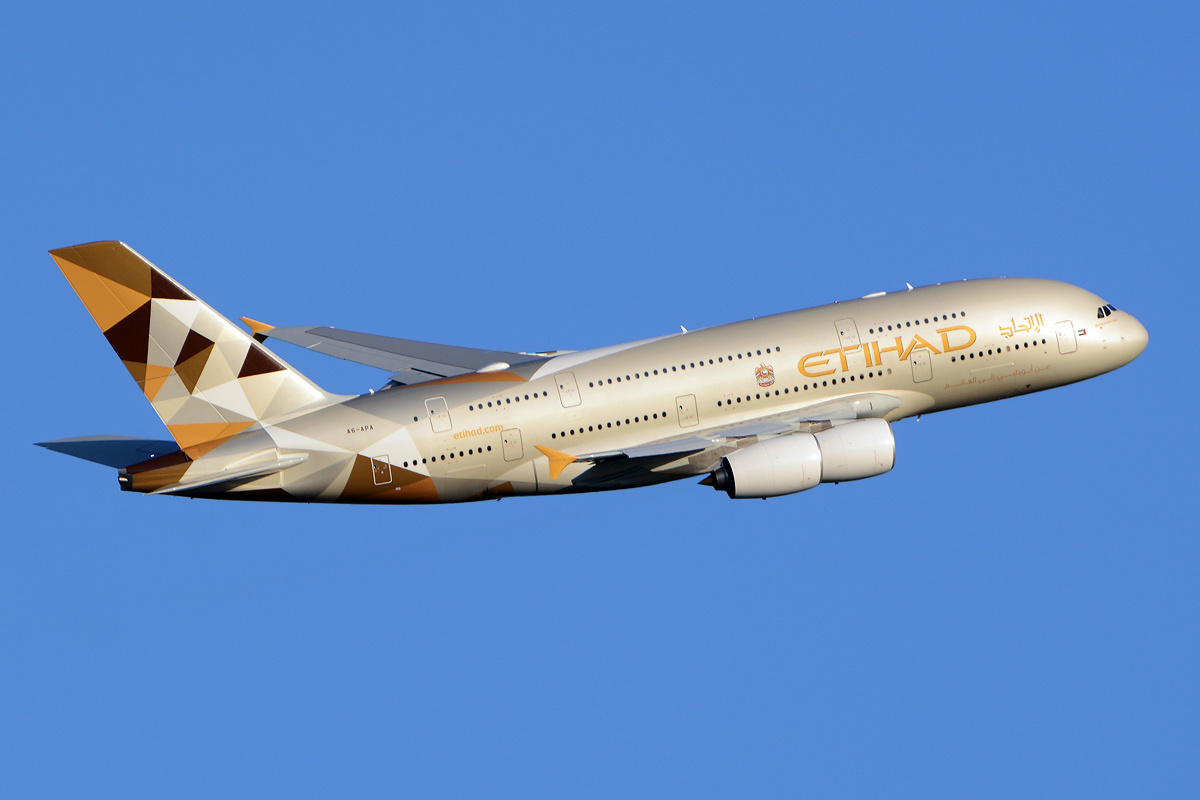
Airlines have already begun adjusting operations as the Middle East airspace situation evolves. Airlines based in the Middle East, such as Emirates, Qatar Airways, flydubai, Etihad Airways, and Air Arabia, have halted operations.
Several European network airlines have halted specific routes. Lufthansa cancelled services to Dubai, Beirut, and Muscat, while Air France has suspended flights to Tel Aviv and also cancelled services to Beirut, Dubai, and Riyadh.
British Airways has halted flights to Tel Aviv and Bahrain until at least the 3rd of March and also cancelled a scheduled service to Amman, stating the decision was taken for safety reasons.
KLM brought forward the suspension of its Amsterdam-Tel Aviv route, while Swiss International Airlines suspended Tel Aviv operations and cancelled scheduled Zurich-Dubai flights.
Asian carriers have also reacted. Air India suspended flights to several Middle East destinations and diverted a Delhi-Tel Aviv service back to India. Japan Airlines cancelled its Tokyo-Doha flight.
Low-cost carriers are among the most heavily impacted. Wizz Air has halted flights to Israel, Dubai, Abu Dhabi, and Amman until at least the 7th of March, and Turkish Airlines cancelled flights to Lebanon, Syria, Iraq, and Jordan through early March.
THIS IS A DEVELOPING BREAKING NEWS STORY. WE WILL CONTINUE TO BRING YOU THE LATEST.
Have questions or want to share your thoughts?