Escalating tensions in the Middle East are raising concerns among travellers worldwide, with many passengers questioning whether it is safe to fly with the region’s major airlines including Emirates, Qatar Airways and Etihad Airways.
While the situation is understandably unsettling even for experienced travellers, aviation experts stress that passengers can be reassured that airlines will only operate flights when and where it is safe to do so.
How can I be confident that flights will only operate when it is safe?
Commercial airlines have been avoiding unsafe airspace since the beginning of the jet era, routinely steering clear of war zones and regions experiencing political unrest. Airlines train extensively for these scenarios and closely monitor geopolitical developments that could affect flight routes.
In situations such as the current Middle East tensions, it is important to understand that the concern is not the safety of the airline itself but the airspace it may be flying through. The airlines themselves remain safe operators. It is the surrounding airspace that can become unsafe.
The major Gulf hub airports of Dubai, Abu Dhabi and Doha have become critical pillars of global aviation. Together they account for around half a million passengers travelling through those airports every day. Last year alone the combined total reached approximately 180 million passengers.
Given their central role in global travel, airlines operating from these hubs will not take risks simply to move passengers.
Decisions about when and where flights can operate are guided by international aviation safety bodies such as the International Civil Aviation Organization, as well as government intelligence and security assessments. Major airlines such as Emirates, Qatar Airways and Etihad Airways also have dedicated internal departments that maintain close connections with government military and foreign affairs authorities, giving them an even broader understanding of the security situation.
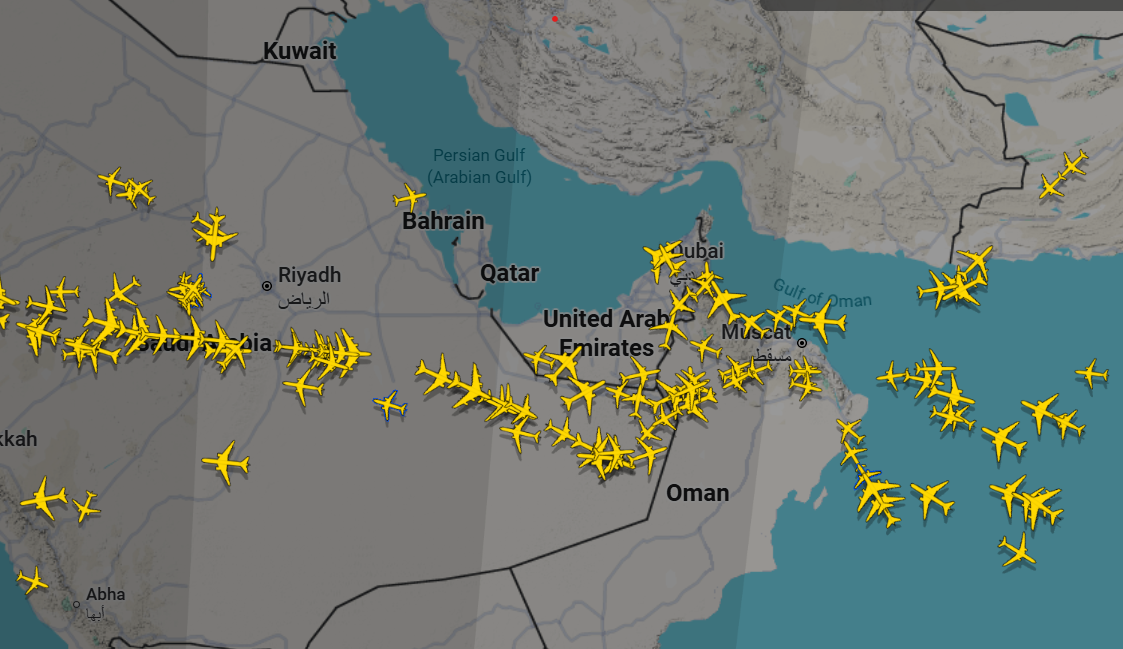
Several countries in the region including Israel, Syria, Qatar, Iran, Iraq, Kuwait and Bahrain have closed their airspace. There are also currently no flights operating over the United Arab Emirates. However, alternative routes and emergency air corridors remain available. These corridors are designated flight paths used during crises that allow aircraft to safely move through restricted regions.
Will the safety ratings change for Etihad, Qatar Airways and Emirates?
Whilst Airline Ratings does deduct stars for airlines operating in environments where there are political or environmental threats, the current situation does not change the operational diligence of Emirates, Qatar and Etihad Airways. The sophistication of their operation centres means they take no chances and have the resources to pause operations and wait when necessary. Passengers are not being put at risk.
This is very different from the situation seen during the Russia Ukraine conflict, where the airlines themselves were directly affected by sanctions rather than simply operating in a volatile region. Russian aircraft, particularly Western built models such as Boeing and Airbus, faced serious safety challenges because sanctions prevented airlines from accessing spare parts and certified maintenance. Airlines were forced to cannibalise aircraft for parts, operate aircraft with disabled safety systems and use non certified components, which raised significant safety concerns. Russian airlines still bare a safety rating of zero.
Emirates and Qatar Airways remain among the world’s safest airlines and Airline Ratings continues to strongly endorse their seven out of seven star safety ratings.
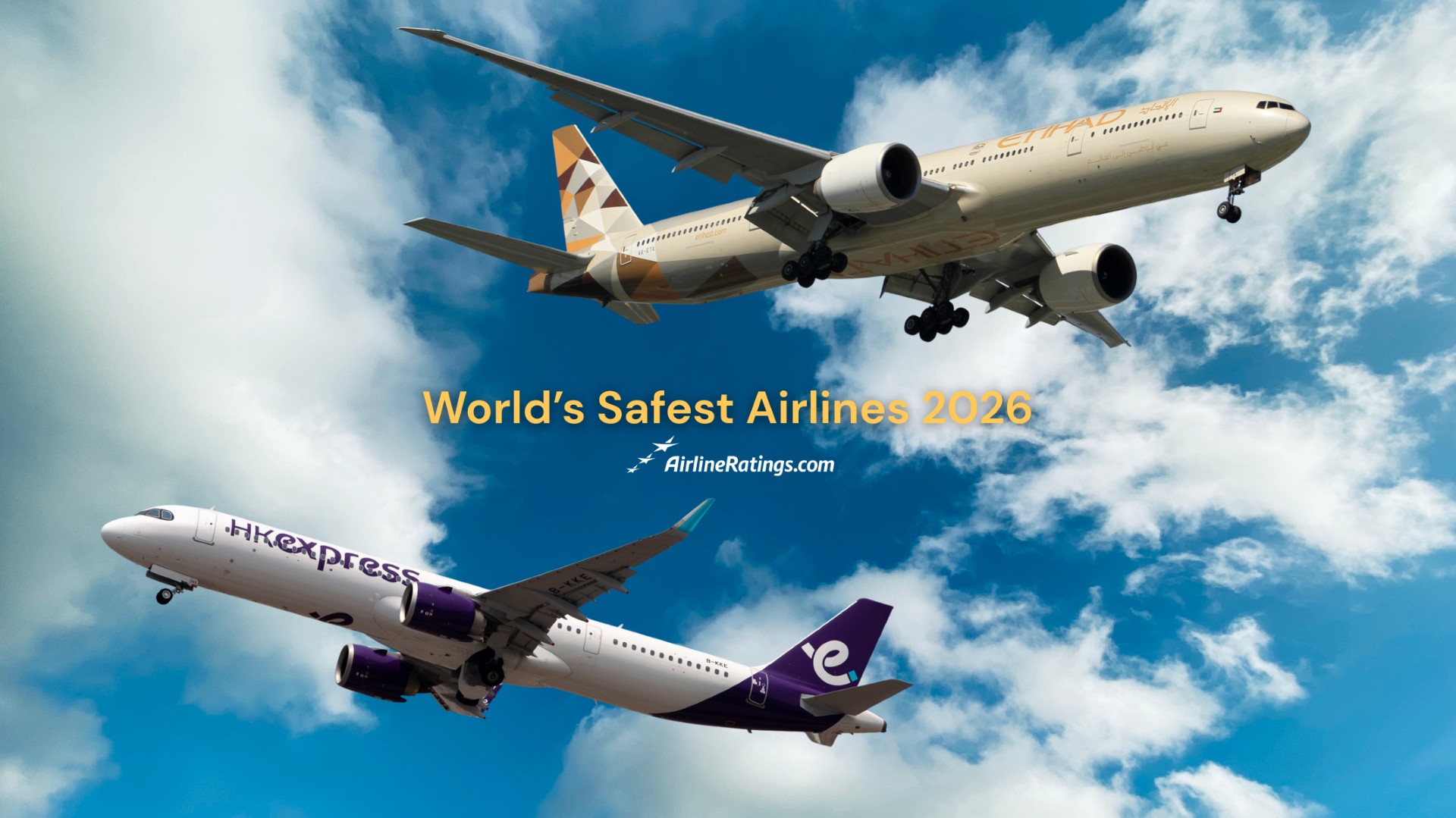
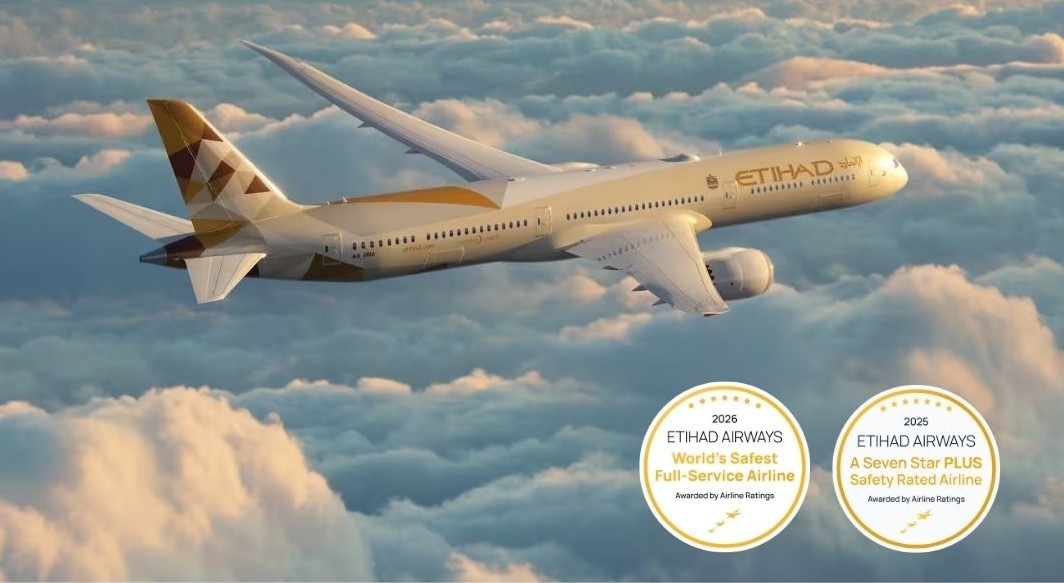
Etihad Airways, which this year ranked as the world’s safest airline, is also the only airline in the region to hold a Seven Star Plus safety rating. This rating will not be affected by the current situation.
What is the current travel advice?
At this point travellers may need to wait for flights to resume or, where finances allow, reroute with another airline, of which there are many options.
Passengers should always liaise with the original source of their booking. If the ticket was purchased directly through the airline, travellers should contact the airline. If the booking was made through an online travel agent such as Expedia, the traveller will need to work through that provider.
Etihad Airways has advised passengers not to travel to the airport unless instructed to do so.
“Guests and members of the public are advised not to travel to the airport unless they have been contacted directly by Etihad and provided with confirmed ticket details. All others should check their flight status at etihad.com and await further communication from the airline.”
The Australian Government has also issued updated travel advice for the region.
“Due to the volatile security situation in the region and military strikes in the United Arab Emirates, we have raised our level of advice for the UAE to do not travel. The UAE airspace may open or close at short notice, impacting flights at Dubai and Abu Dhabi airports. Retaliatory strikes are occurring across the Middle East region following military strikes on Iran. Military conflict in the region may result in widespread movement restrictions and other travel disruptions.”
AirlineRatings Chief Executive Officer Sharon Petersen said the biggest challenge for travellers is the uncertainty surrounding the duration of the disruption.
“The frustrating part of this situation is that no one knows when it will end. Volcanic eruptions can cause major disruptions across large regions but you can usually estimate how long the impact will last. This situation could continue for months,” she said.
“If this continues for much longer, the next likely impact will be rising airfares as demand soars and passengers reroute with other airlines, particularly those travelling to and from Europe. Australians and Europeans will be particularly affected because the three major Middle Eastern airlines carry a large share of traffic between the two.”
Have questions or want to share your thoughts?