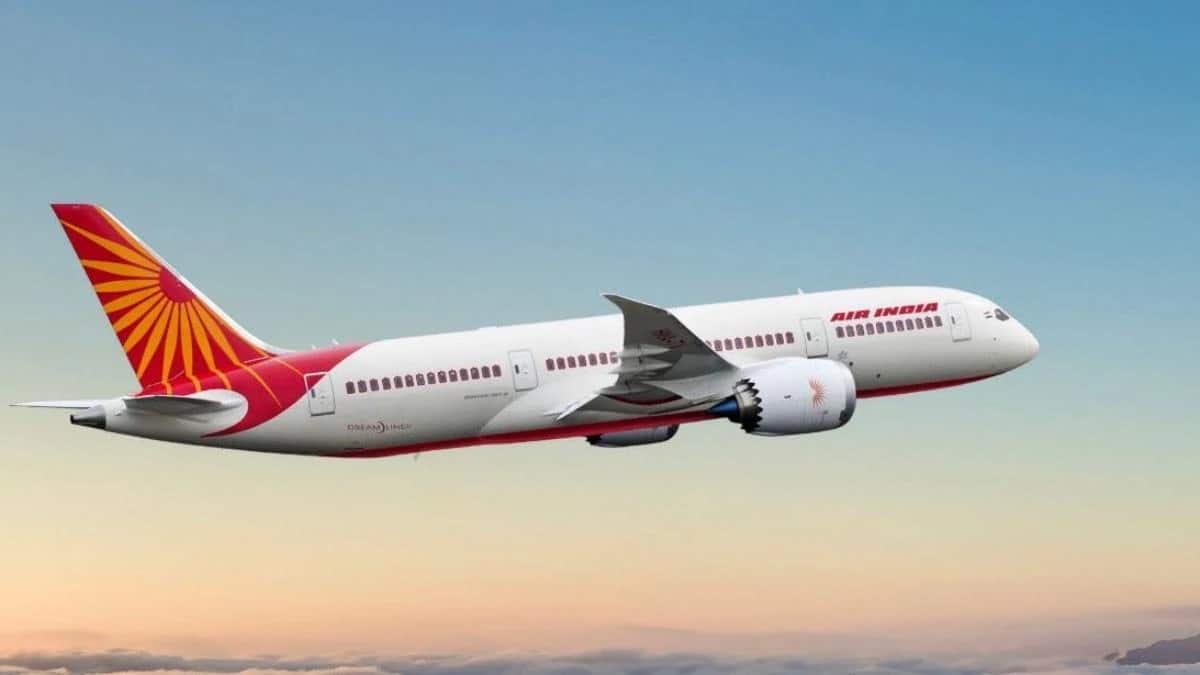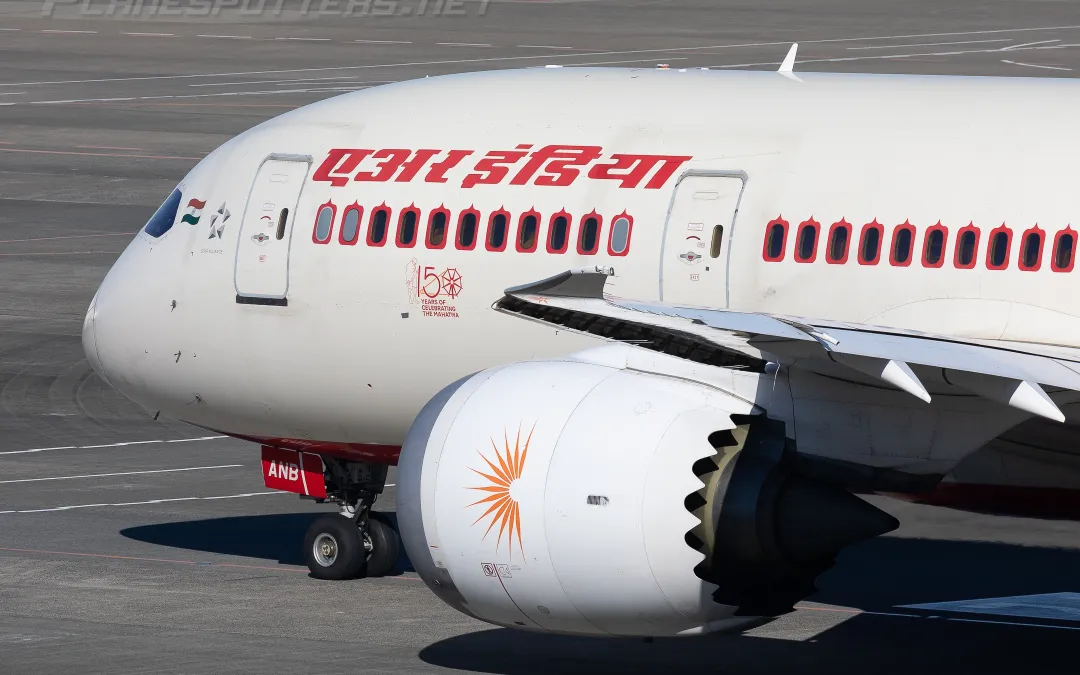

India’s aviation authorities have launched a sweeping investigation following the fatal crash of Air India flight AI171, a Boeing 787 Dreamliner, that killed at least 270 people earlier this week. The tragedy has triggered a comprehensive safety review across the country’s Dreamliner fleet, and placed Air India’s operational protocols under intense scrutiny.
Final Transmission: “MAYDAY… NO POWER… NO THRUST…”
According to reports from Indian media outlets, the flight crew’s final MAYDAY call to air traffic control lasted just five seconds. The chilling message—“MAYDAY… MAYDAY… MAYDAY… NO POWER… NO THRUST… GOING DOWN…”—provides a stark indication that the aircraft suffered a catastrophic power and thrust loss shortly after takeoff from Ahmedabad.
Contact with the aircraft was lost almost immediately after the call, and no further transmissions were received.
Government Responds with High-Level Probe
In response to the disaster, the Ministry of Civil Aviation has announced the formation of a high-level, multi-disciplinary panel to investigate the cause of the crash. The panel’s mandate extends beyond identifying the cause—it will also evaluate current Standard Operating Procedures (SOPs), maintenance practices, and the broader regulatory environment.
Aviation Minister Ram Mohan Naidu confirmed at a press briefing that a fleet-wide inspection of Boeing 787 aircraft operating in India has already begun. “We have given the order to do the extended surveillance of the 787 planes. There are 34 in our Indian fleet,” he stated. “Eight have already been inspected, and with immediate urgency, all of them are going to be done.”
While the minister did not clarify whether the inspections apply to all Indian airlines, the directive reflects an urgent effort to restore confidence in the aircraft model, particularly those powered by General Electric’s GEnx engines.
Regulator Orders Additional Checks
India’s aviation regulator has separately instructed Air India to perform additional technical checks on its Boeing 787-8 and 787-9 aircraft equipped with GEnx engines. The directive includes:
Specific assessments of take-off performance parameters
Electronic engine control system tests
Detailed inspection of engine fuel systems
The aim is to detect any potential irregularities that could mirror the failures suspected in AI171.
Key Investigation Focus Areas
While no preliminary findings have been released, investigators are currently zeroing in on three primary concerns:
Engine Thrust Performance: Whether both engines were delivering adequate thrust during the climb.
Flap Operation: Whether a malfunction or misconfiguration in the flap settings contributed to the aircraft’s inability to gain altitude.
Landing Gear Deployment: Why the aircraft's landing gear remained extended after takeoff, which would significantly impair climb performance.
A source directly involved in the probe also confirmed that anti-terror units are involved as part of standard protocol in major air disasters, although there is currently no indication of foul play. A bird strike—a common cause of engine failure—has been largely ruled out.
AirlineRatings CEO Sharon Petersen said:
"As information begins to trickle through, we’ll get a clearer picture of what happened. One thing is certain: modern aircraft like the 787 simply wouldn’t be able to take off if critical pre-departure parameters such as wing flap positions weren’t correctly set. The cockpit warning systems would be deafening. Something clearly occurred just as the aircraft left the ground, or the pilots may have been distracted, leading to a wrong input at a critical moment."
A National Wake-Up Call
While passengers await answers, the spotlight is now firmly on Air India, its maintenance partners, and the broader state of aviation oversight in India. Until investigators can piece together the final moments of AI171, the country and its aviation sector remain on high alert.
Have questions or want to share your thoughts?